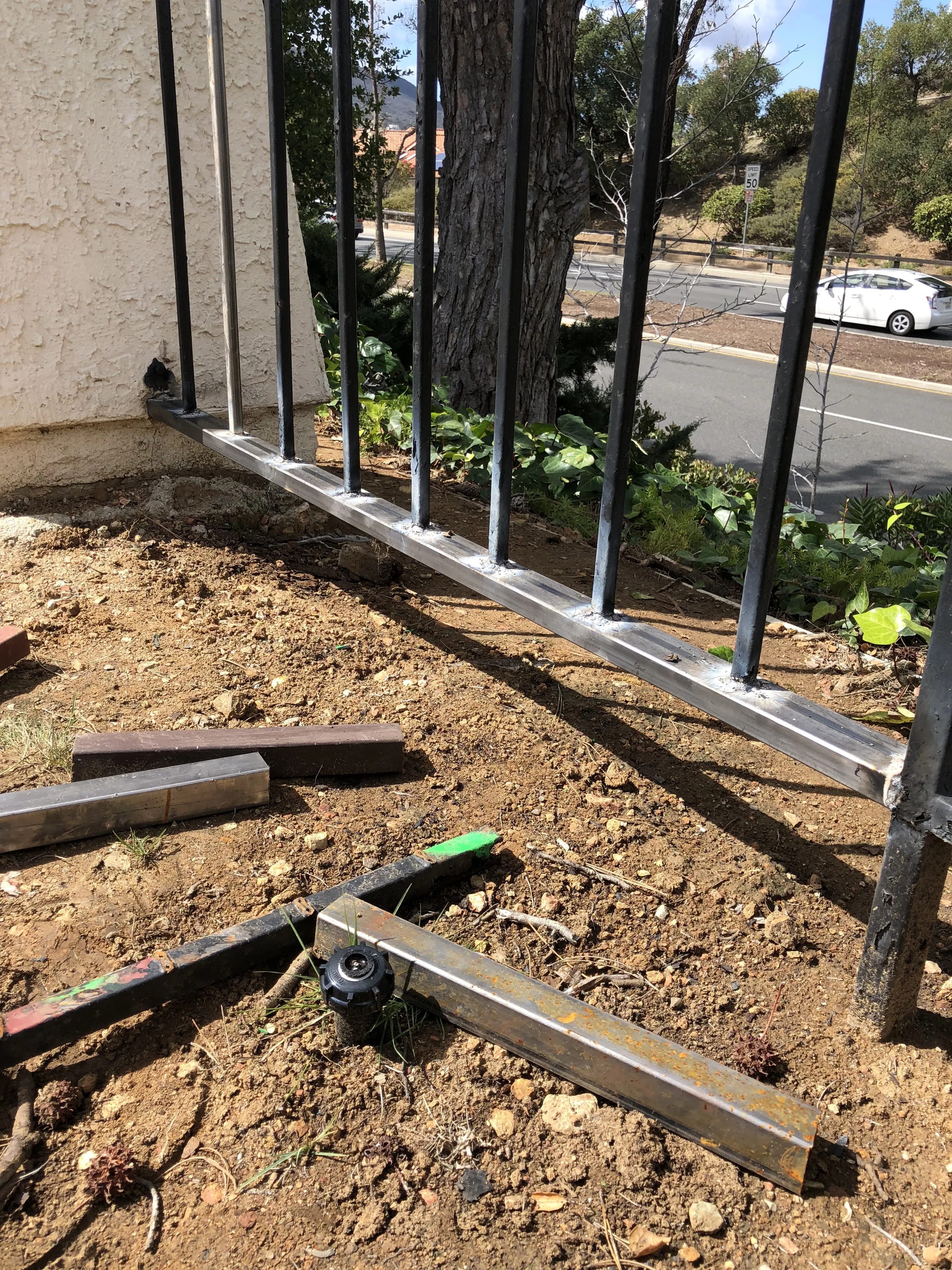
About Wrought Iron Repair & Replacement
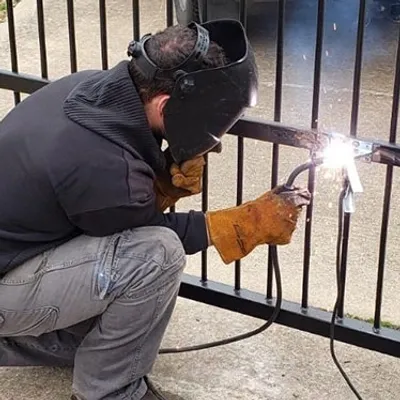
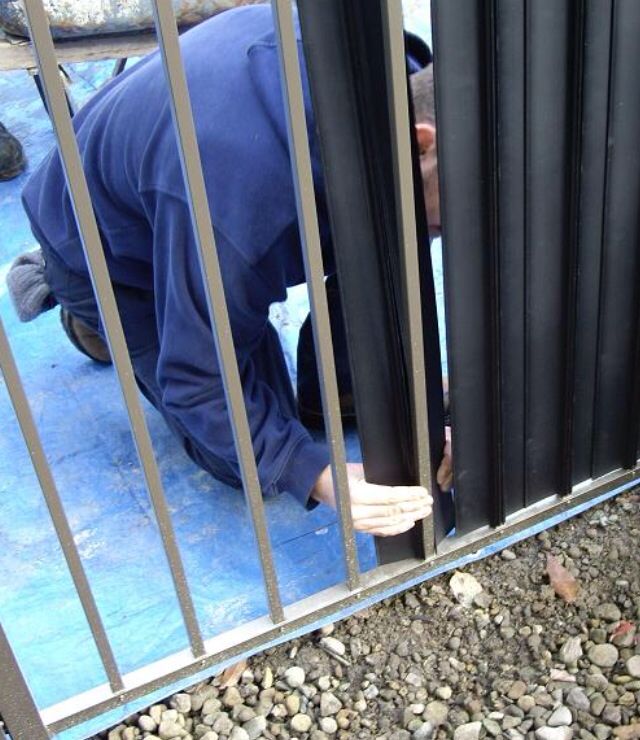
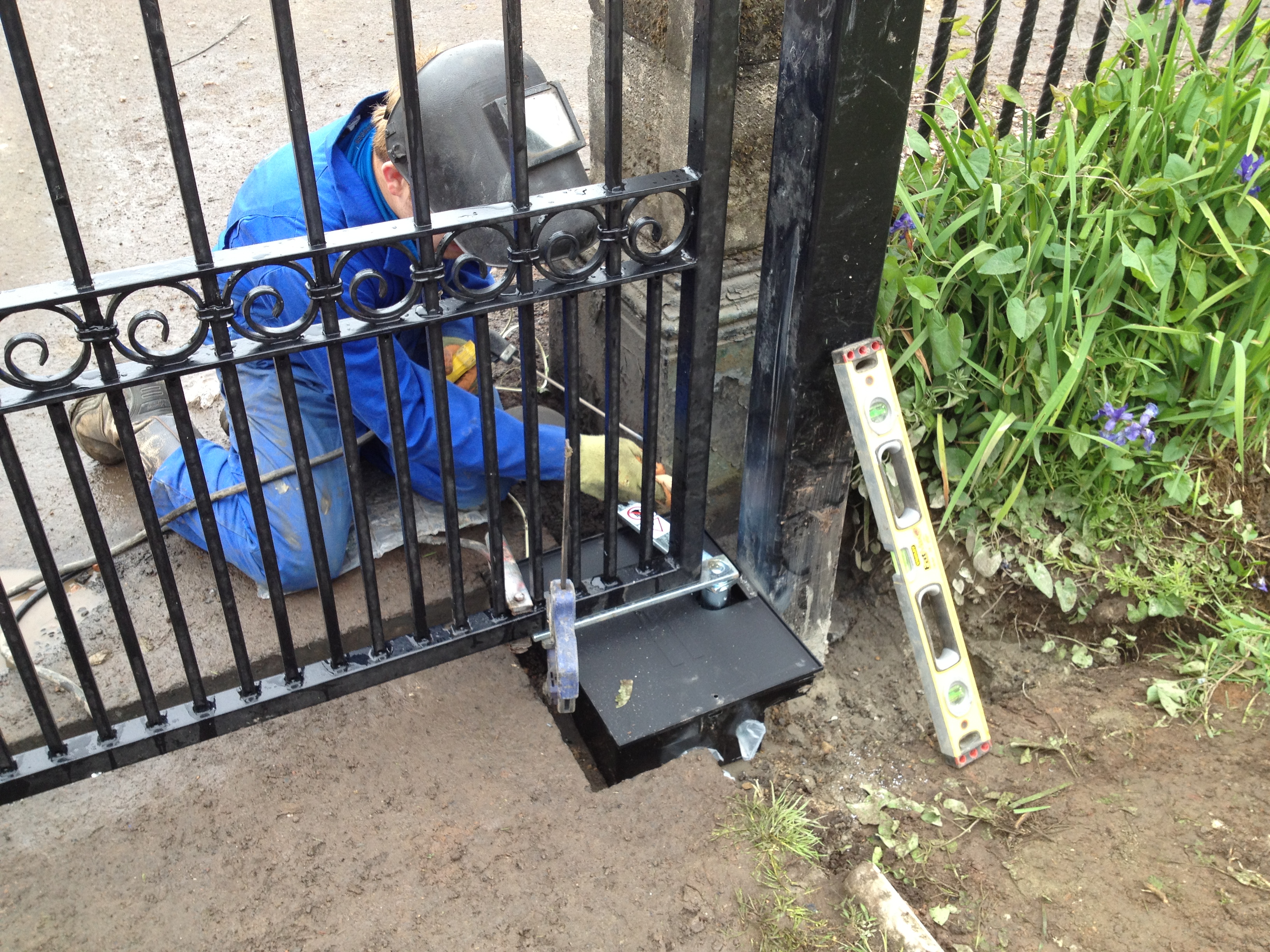
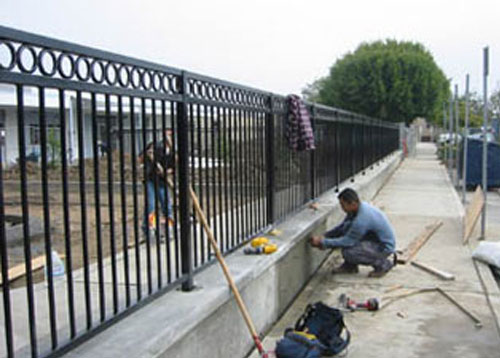
Wrought iron repair and replacement services are essential for maintaining the beauty and functionality of ornamental ironwork, such as gates, fences, and railings. Skilled artisans can restore damaged pieces to their original glory or replace them entirely, ensuring safety and preserving the timeless charm of wrought iron craftsmanship.
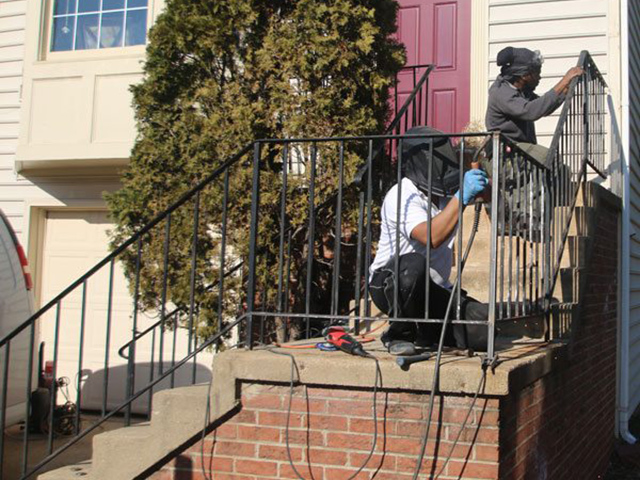
- Wrought iron repair and replacement services are vital for preserving the durability and aesthetics of wrought iron structures.
- Skilled professionals can meticulously restore damaged wrought iron pieces, maintaining their original craftsmanship.
- In cases of severe damage, replacement with new wrought iron components ensures structural integrity.
- These services extend the lifespan of ornamental gates, fences, and railings while retaining their timeless charm.
- Wrought iron repair and replacement offer both safety and aesthetic benefits to property owners.
- Trusting experts in this field guarantees the longevity and beauty of your wrought iron features.