About Wrought Iron Conservation
Preserving historic and artistic wrought ironwork involves careful cleaning, rust removal, and protective coatings. Skilled conservators use non-invasive techniques to maintain the metal's integrity, ensuring it withstands the test of time while retaining its aesthetic beauty in architectural and decorative applications.
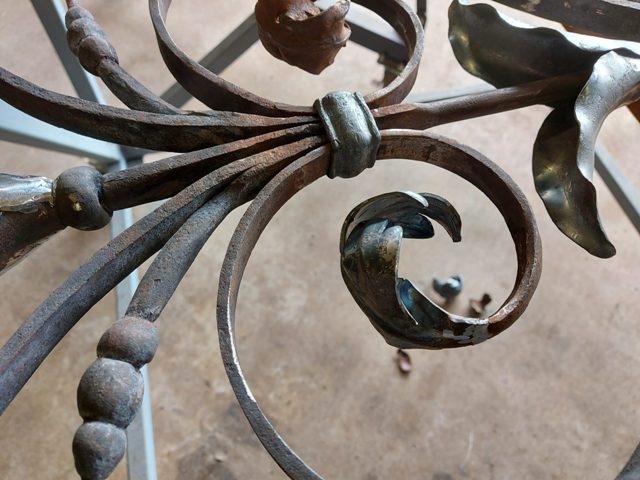
- Wrought iron conservation is crucial to preserve the rich history and craftsmanship associated with this enduring material.
- Conservation efforts focus on protecting wrought iron from rust and corrosion, which can weaken its structural integrity.
- Skilled artisans employ techniques like sandblasting and repainting to restore wrought iron's original beauty.
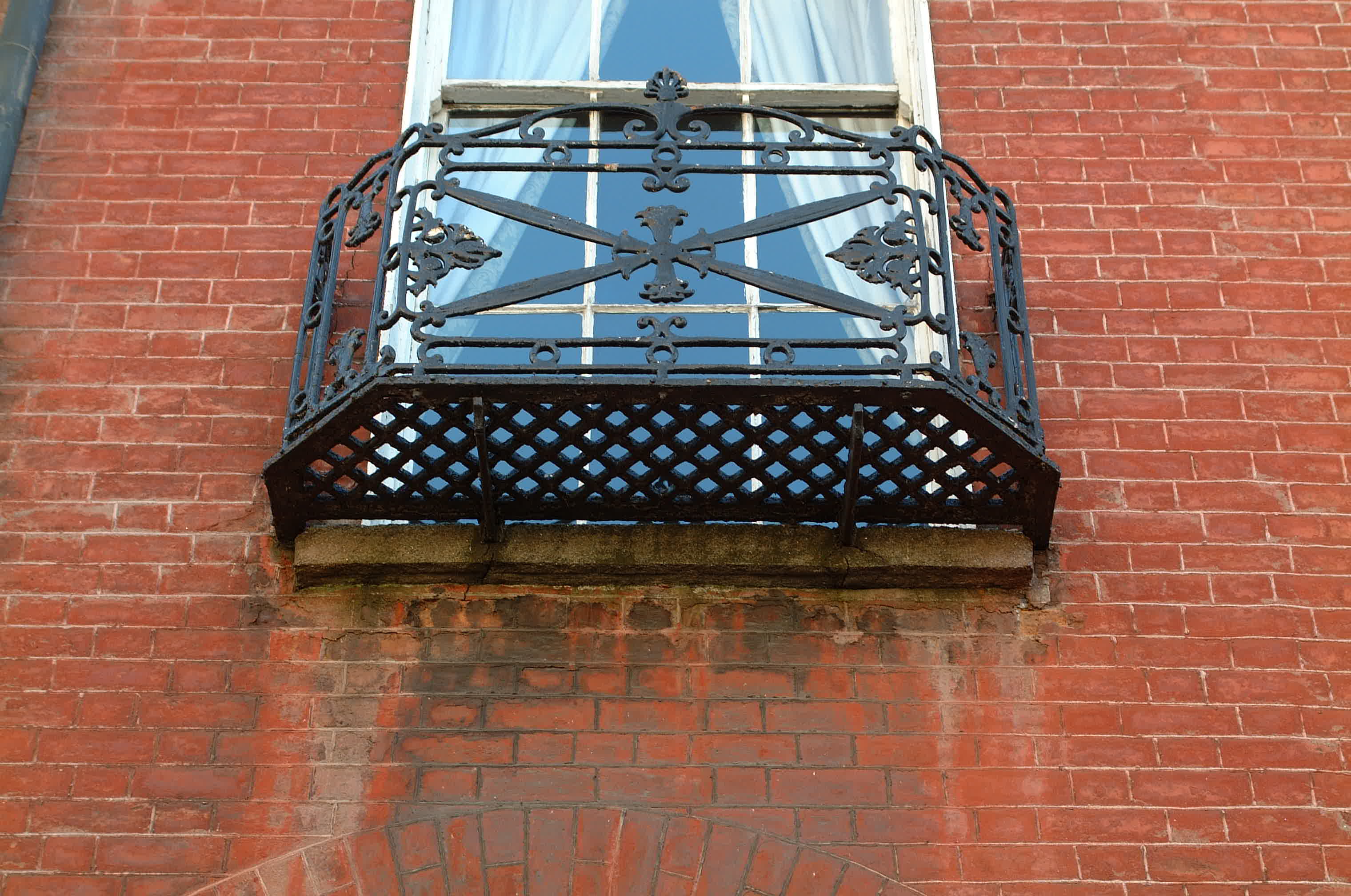
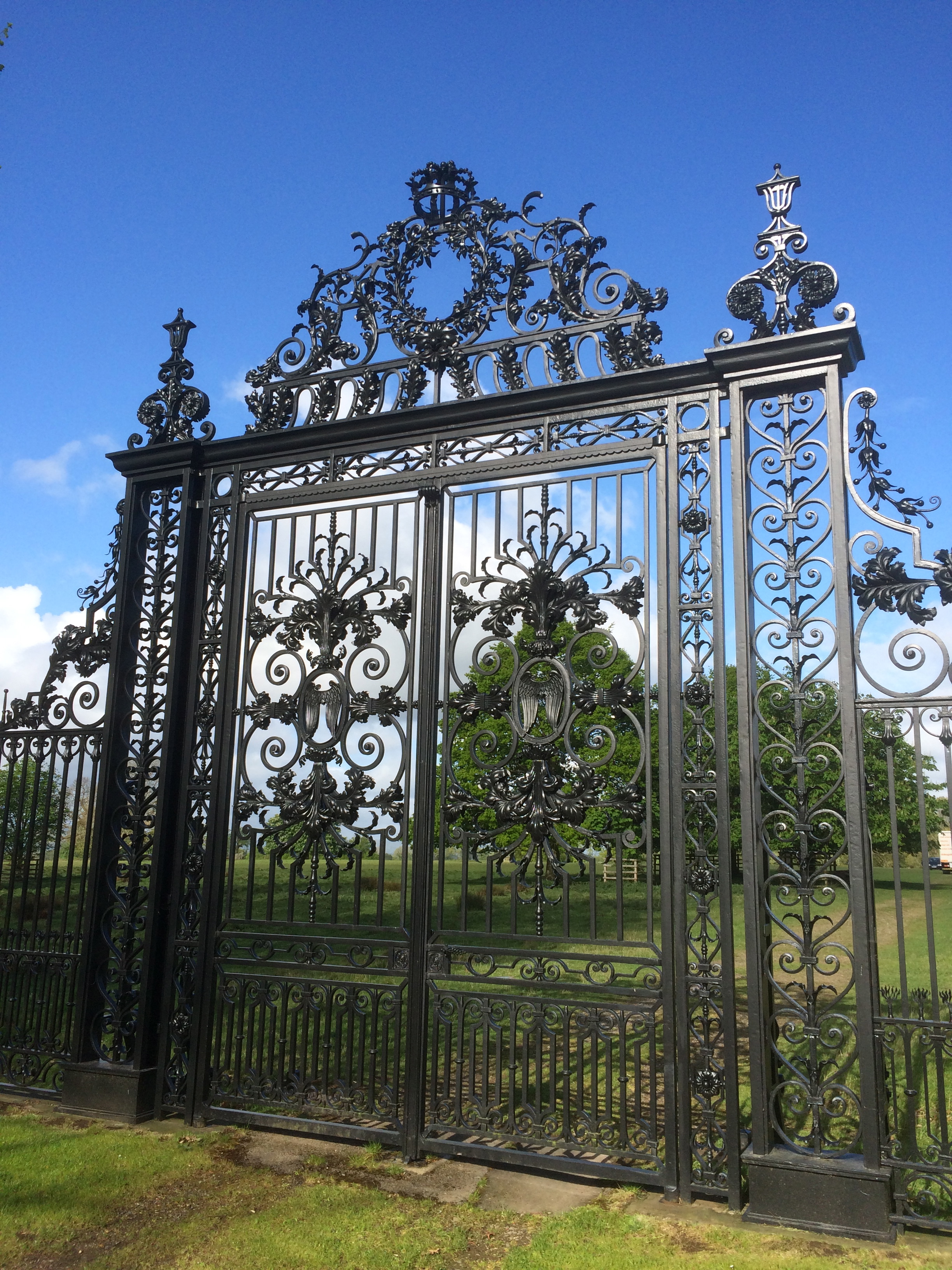
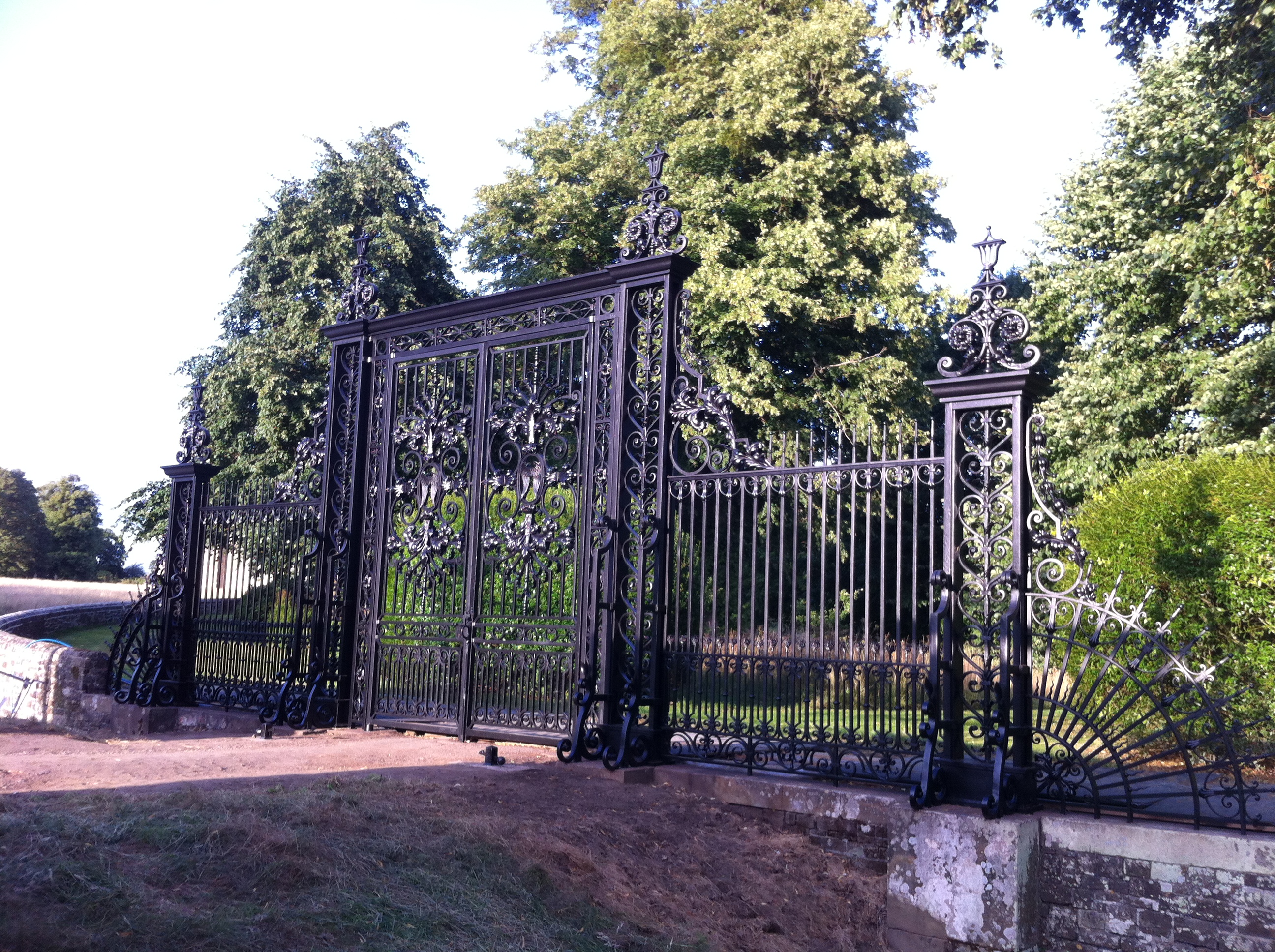
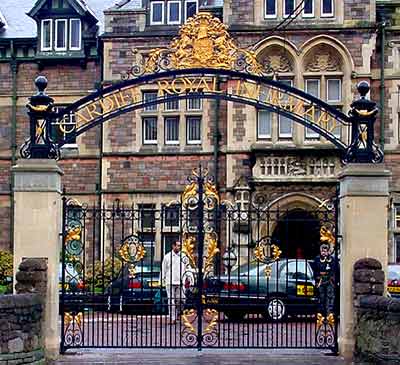
- Conservation plays a pivotal role in maintaining iconic architectural features, such as historic railings, gates, and bridges.
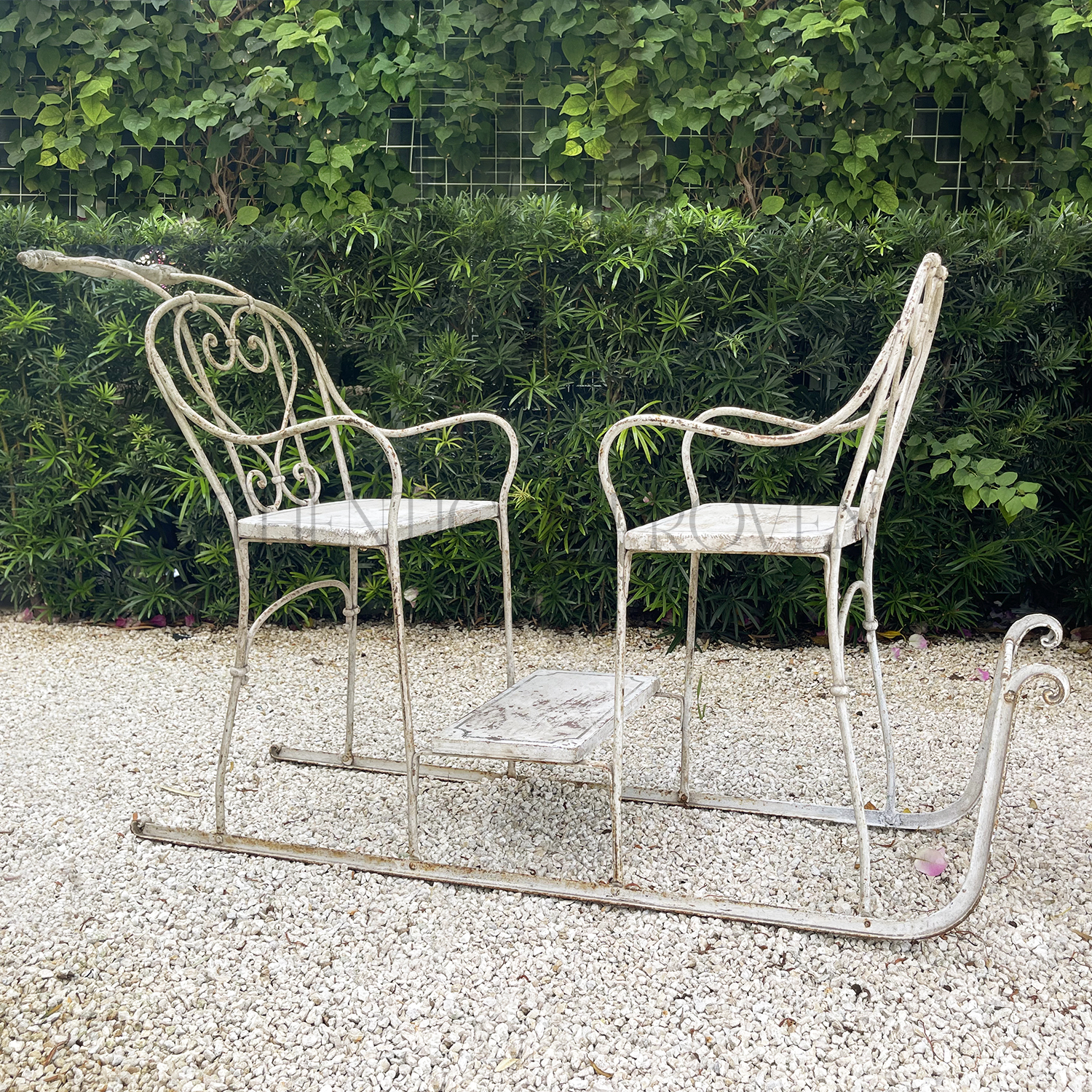
- The process retains the intricate designs and artistic details that make wrought iron unique.
- Effective wrought iron conservation not only safeguards the past but also promotes eco-friendly practices by extending the lifespan of existing structures and decorative pieces.