Wrought iron whose pillar built near
Qutabminar has withstood the vagaries of nature for last 1,500 years and yet
shows no sign of corrosion until date. Wrought iron is the old material of
the blacksmith. It resists corrosion far better than modern steel as is
amply shown by the survival of much of our heritage of wrought ironwork, in
many cases, centuries old.
Wrought iron owes its rust proof properties to its fibrous nature. In
modern terms, the refining of iron is a crude process, and results in the
inclusion of non-corrodible slags in the structure of the metal. These
slags, and the softness of the material when hot, led to an ease of working
by hand which gave rise to a great art form.
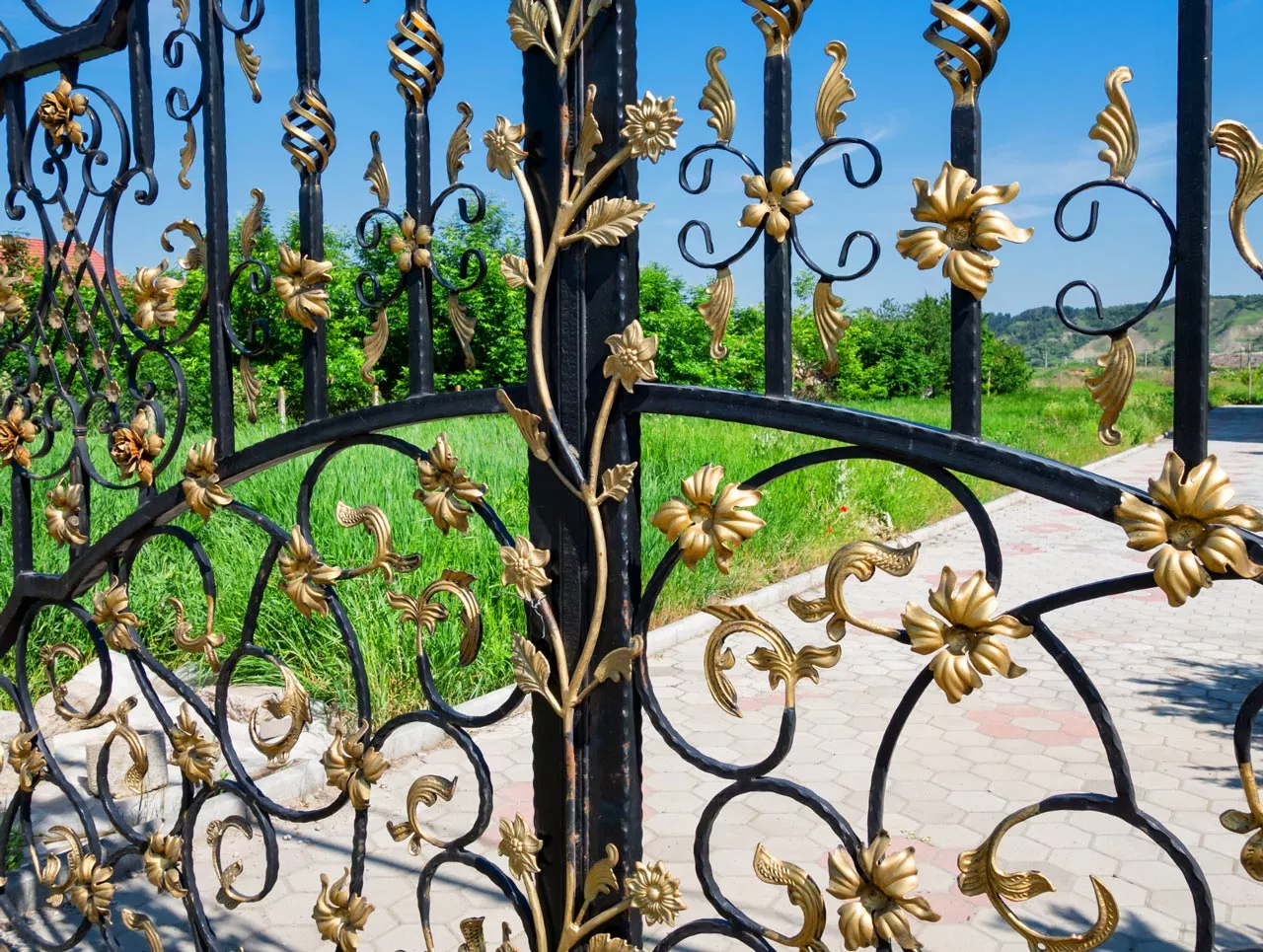
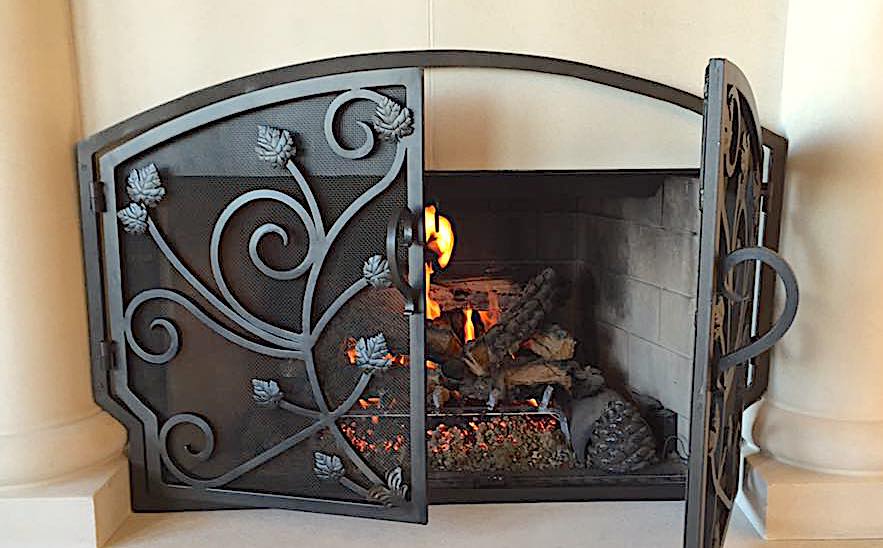
Cast and wrought iron has long been used for durable furniture, sculptures,
handicrafts etc. Much of the iron goods available today are wrought iron,
rather than cast iron. It undergoes little processing before being used in a
variety of products. When buying wrought iron, one should look for pieces
made with solid metal rather than hollow tubing, and that are welded, rather
than bolted, together.
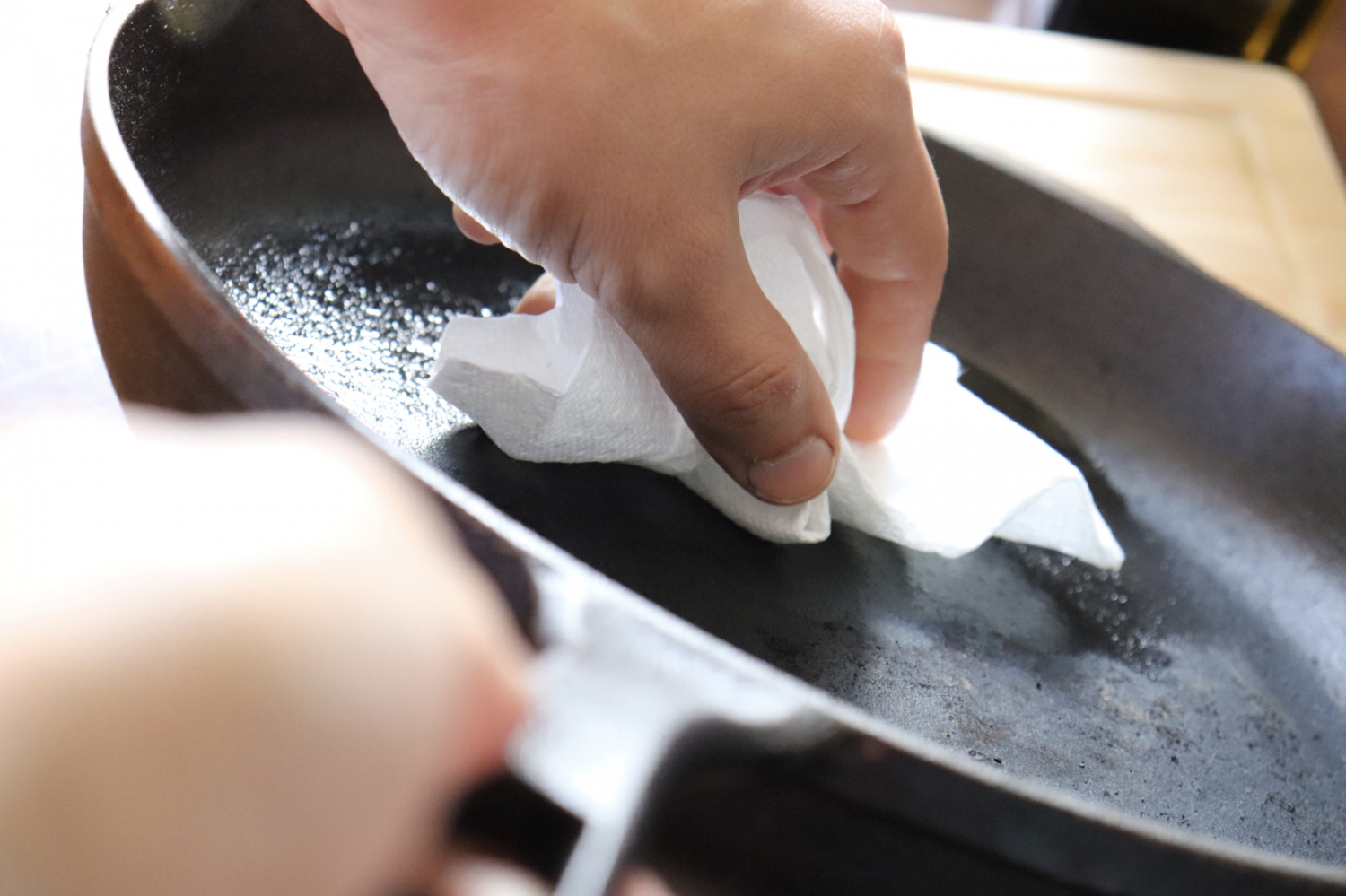
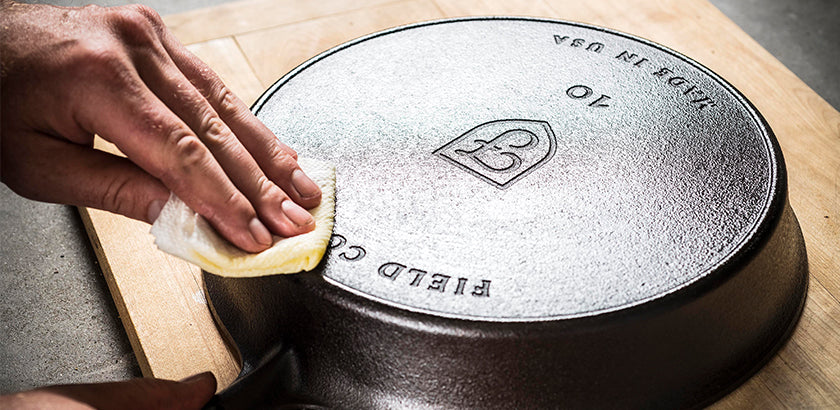
Wrought iron products require more maintenance than other
types of metal products. They should be cleaned regularly by soapy water and
then dried thoroughly. The smooth surfaces should be waxed and mineral oil
should be applied to the textured surface. Spring and moving parts need
special care; hence, they should be oiled once every year.
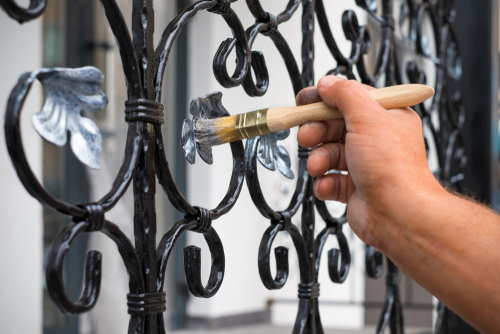
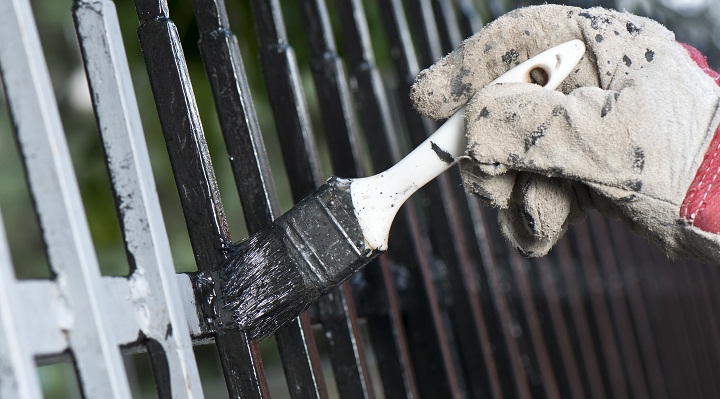
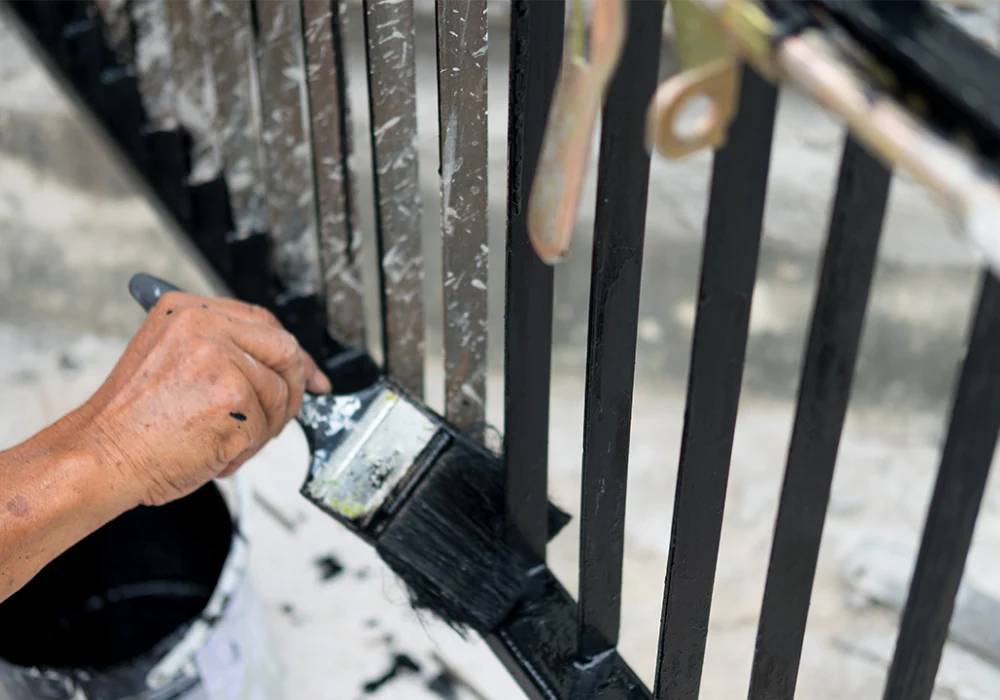
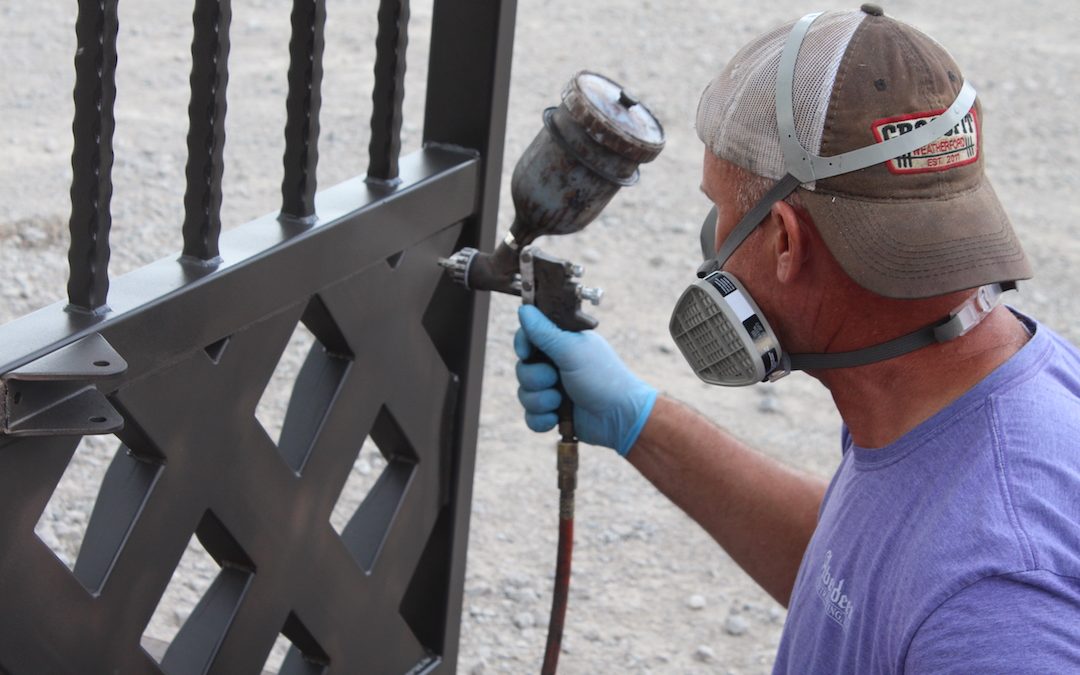
Immediately touch up any scratches or rust by lightly sanding the spot with
a fine steel wool. Then apply several thin coats of metal paint, letting
each coat dry well before applying the next. If one is using a spray paint,
it should be applied with short light stokes.
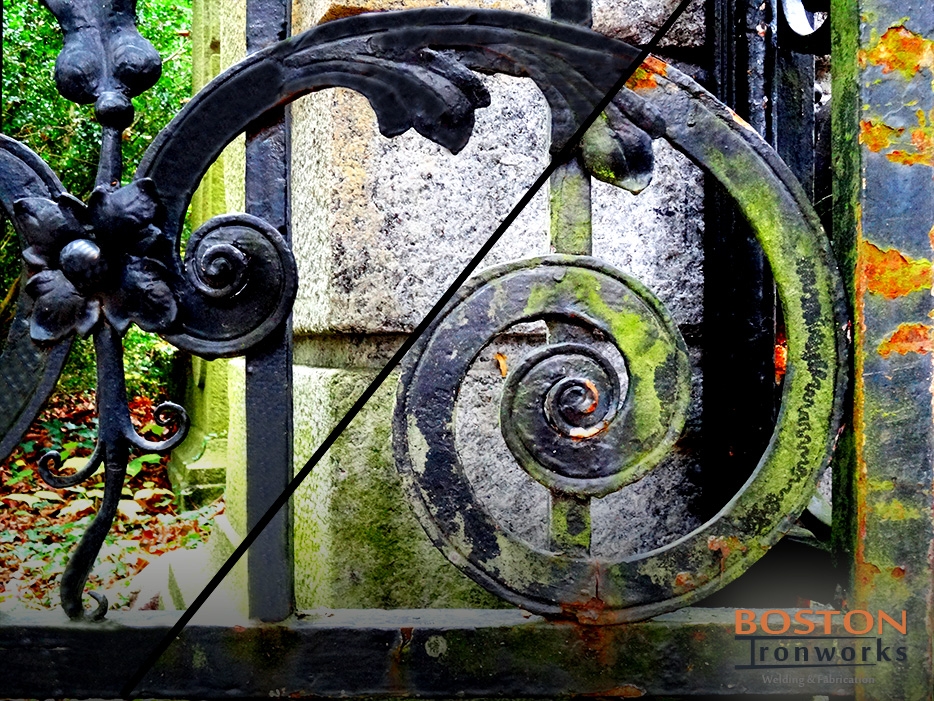
For maintenance of wrought iron, paint stripping by chemical means, with a
thorough removal of the chemical agents (usually by steam cleaning) is
recommended. This will result in the original appearance of the piece that
needs to be restored. Rust deposits are normally dealt with by the
application of heat. Rust scale does not expand when heated to the same
extent, as does the iron. The differential in expansion causes the rust to
lose its grip, when it is shaken or brushed. Often, where there has been a
considerable accumulation of rust, the application of heat is needed anyway
as part of the remedial process.
However, owing to the natural ability of wrought irons to resist corrosion,
because of their in-built barriers of slags, it is sufficient to protect
ironwork by a good coating of paint. Chips and developing problems should be
dealt with at the earliest dry opportunity, and the work should be painted
at least every five years.